The Value of Holistic Wealth Planning for Multigenerational Families
- Sits under
- Biz
- Posted
- Read time, roughly
- 2 min
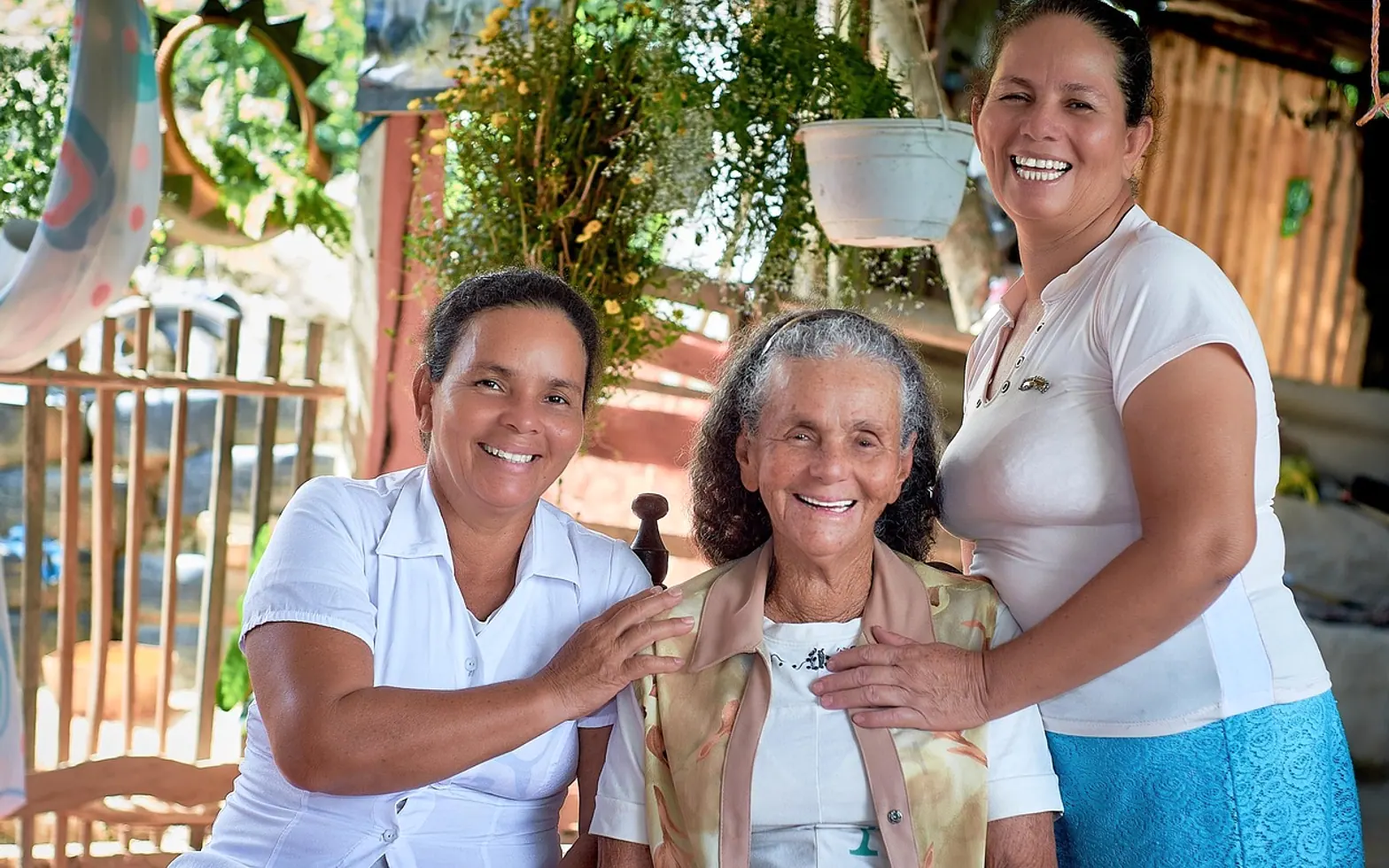
Families who have built wealth over decades rarely hold it in one tidy account. There may be a business, property, investment portfolios, insurance policies, trusts and a habit of supporting causes the family cares about. Each piece is often managed by a different adviser, at a different time, for a different reason. Holistic planning tries to connect those pieces so that a decision in one area supports, rather than undermines, the others.
Why the whole picture matters
Wealth decisions are interlinked. An investment choice changes tax exposure; an estate structure affects who controls a family company; the right insurance can prevent a forced property sale at a bad moment. Handled separately, each decision may look sensible, yet together they can create gaps, overlaps or avoidable costs.
Multigenerational families face a longer timeline and more stakeholders than most. Grandparents may be thinking about retirement income and how assets will pass on, parents about a business or a home, and grandchildren about education or a first job. Discussions about modern wealth management increasingly reflect this, with more attention on coordination and family continuity rather than investment returns alone.
The building blocks
A coordinated plan usually covers several disciplines at once:
- Investments matched to different time horizons, risk tolerances and liquidity needs across generations.
- Tax planning that looks at income, gains, gifts and estates together, within the rules of each relevant country.
- Estate documents such as wills, trusts, beneficiary designations and powers of attorney that point in the same direction.
- Risk protection through insurance and contingency arrangements.
- Business succession where wealth is tied to an operating company.
- Philanthropy that expresses shared values and gives younger members a role.
Having each element in place is not enough on its own. A growth-oriented portfolio might clash with the cash needed to treat heirs fairly, and a well-drafted trust can still cause friction if beneficiaries do not understand why it exists.
Governance and conversation
Technical work often fails for human reasons. Parents may postpone money conversations, and younger relatives may feel shut out of decisions that will one day be theirs to carry. Clear governance helps: agreeing how decisions are made, who takes part, and what responsibilities come with ownership or distributions. Some families hold regular meetings or write a short statement of shared values; others keep things informal but consistent.
Financial education belongs here too, adjusted to age and future role. A teenager may start with budgeting and saving, while someone expected to sit on a trust or a company board needs a much deeper understanding.
Planning for change
Marriages, births, deaths, moves abroad, business sales and health changes all reshape priorities, and tax rules change as well. A holistic plan therefore needs regular reviews. Thinking through scenarios in advance helps: what happens if a key decision-maker becomes unable to act, or if the next generation is not ready to run the business?
Because every family's circumstances and every jurisdiction's rules differ, these questions are best worked through with qualified professionals, such as financial planners, tax advisers and estate lawyers, ideally working from the same brief. No plan removes investment risk, but a coordinated one can protect what matters most, prepare heirs and keep the family aligned around what its wealth is meant to achieve.
Fresh in every section
Good places to start
 InsurancePet Insurance Waiting Periods: How They Work Before Cover Starts4 min
 Real estateImpact of Singapore’s Real Estate Boom on Local Communities2 min
 Social MediaThe Cost of Ignoring SEO: What Montreal Businesses Risk Losing2 min
 Social MediaWhy SEO Agencies Win the Long Game: Strategy, Execution, and Accountability3 min
Questions? Write to us.
Suggestions help us plan.