
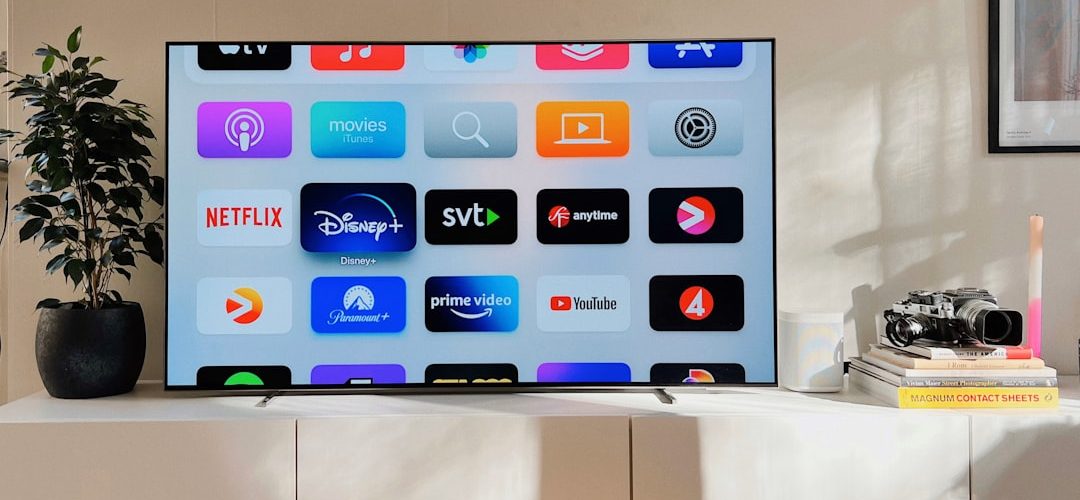
For many households in the Netherlands, television habits are changing fast. Viewers want more flexibility, more choice, and better value than the old cable bundle can offer. That is why IPTV has become one of the most talked-about alternatives to traditional TV. Instead of relying on a fixed broadcast line-up, IPTV delivers television through the internet, making it easier to watch live channels, sports, international programming, and on-demand content on the devices we already use every day.
As broadband speeds continue to improve across the Netherlands, IPTV is no longer a niche option. It is becoming a practical solution for families, expats, sports fans, and anyone who wants a smarter way to enjoy television. In this article, we explore why IPTV is growing so quickly, what benefits it offers, and how to choose a service that fits your needs.
What IPTV means for viewers in the Netherlands
IPTV stands for Internet Protocol Television. In simple terms, it means that television content is streamed over an internet connection rather than delivered through traditional satellite or cable infrastructure. This shift gives viewers in the Netherlands a more modern viewing experience, especially when compared with older TV setups that often come with rigid contracts and limited channel selection.
One of the biggest advantages of IPTV is accessibility. We can watch content on smart TVs, laptops, tablets, phones, and streaming devices, which makes TV more portable and personal. Whether someone is in Amsterdam, Rotterdam, Eindhoven, or a smaller town, IPTV can provide the same kind of convenience as long as the internet connection is stable.
Another reason IPTV fits the Dutch market so well is that the Netherlands has a strong digital infrastructure. High-speed internet is widely available, and that supports smooth streaming with fewer interruptions. For many viewers, this is exactly what makes IPTV feel like a natural next step rather than a complicated technology.
Why IPTV is a smart alternative to cable and satellite
Traditional TV services often bundle together channels that many people never watch. That can make monthly bills feel expensive for relatively little value. IPTV changes the equation by offering more flexibility and, in many cases, a better balance between price and content. Instead of paying for a large package that includes unused channels, viewers can focus on the programming that actually matters to them.
Flexibility is one of IPTV’s strongest selling points. We are no longer tied to one television in one room. With IPTV, people can pause, resume, and switch devices more easily. This is especially useful for busy households where everyone has different schedules and viewing preferences. Parents may want live news or Dutch entertainment, while children prefer cartoons or streaming channels, and IPTV can support both.
There is also the issue of content variety. IPTV services often provide access to local channels, international stations, live sports, movies, and series in one place. For expats living in the Netherlands, this can be a major advantage because it becomes easier to stay connected to programming from home countries while still enjoying Dutch television options.
Many viewers also appreciate the simplicity of setup. Traditional satellite installations can involve equipment, technicians, and long-term commitments. IPTV usually requires little more than a compatible device and a reliable connection. That lower barrier to entry makes the switch feel less intimidating, especially for people who want a more modern and hassle-free experience.
How to choose the right IPTV service
Not all IPTV services are the same, so choosing carefully is important. The best providers combine stability, clear channel options, easy navigation, and responsive support. A good IPTV experience should feel smooth from the first login, not confusing or unreliable.
What to look for before subscribing
- Stream quality: Look for HD or higher-resolution streaming with minimal buffering.
- Channel selection: Make sure the service includes the Dutch and international content you actually want.
- Device compatibility: Check whether it works on smart TVs, Android devices, iOS, Fire TV, or other platforms you use.
- User support: Reliable customer support can make a big difference if setup or playback issues arise.
- Stability and uptime: A strong IPTV service should deliver consistent performance, especially during popular live events.
It is also wise to think about the user experience. A clean interface, easy channel switching, and helpful features such as search or favourites can save time and make daily use much more enjoyable. For viewers who want a trusted place to begin, Dutch IPTV can be a useful starting point when exploring modern streaming-based television options in the Netherlands.
We should also consider internet speed. While IPTV is efficient, a poor connection can still affect quality. Households that stream multiple devices at once may benefit from a stronger broadband package to keep playback smooth. This is especially true if several people in the home watch TV, game online, or use video calls at the same time.
The future of television in the Netherlands
The shift toward IPTV reflects a broader change in how people consume media. Viewers no longer want to be limited by schedules, channel bundles, or old hardware. They want control. They want the freedom to watch content on their own terms, and IPTV offers exactly that. In the Netherlands, where digital adoption is already high, this change feels especially natural.
As streaming technology continues to improve, IPTV is likely to become even more attractive. Better compression, faster internet, and smarter devices will make it easier to deliver high-quality content with fewer interruptions. We can also expect more integration with features like catch-up TV, on-demand libraries, and personalised viewing recommendations, all of which make the experience more relevant to modern audiences.
For many people, the question is no longer whether IPTV can replace traditional TV. It is whether they are ready to move to a more flexible and efficient way of watching. For households in the Netherlands that value choice, convenience, and modern viewing habits, IPTV is quickly proving itself to be the smart alternative.
In the end, IPTV in the Netherlands is about more than technology. It is about giving viewers better control over their entertainment, reducing unnecessary costs, and making television fit around real life instead of the other way around. For anyone ready to leave behind the limitations of traditional TV, IPTV offers a forward-looking solution that feels designed for the way we watch today.

