Why More Professionals Are Choosing AI Headshot Generators
- Sits under
- Technology
- Posted
- Reworked
- Read time, roughly
- 2 min
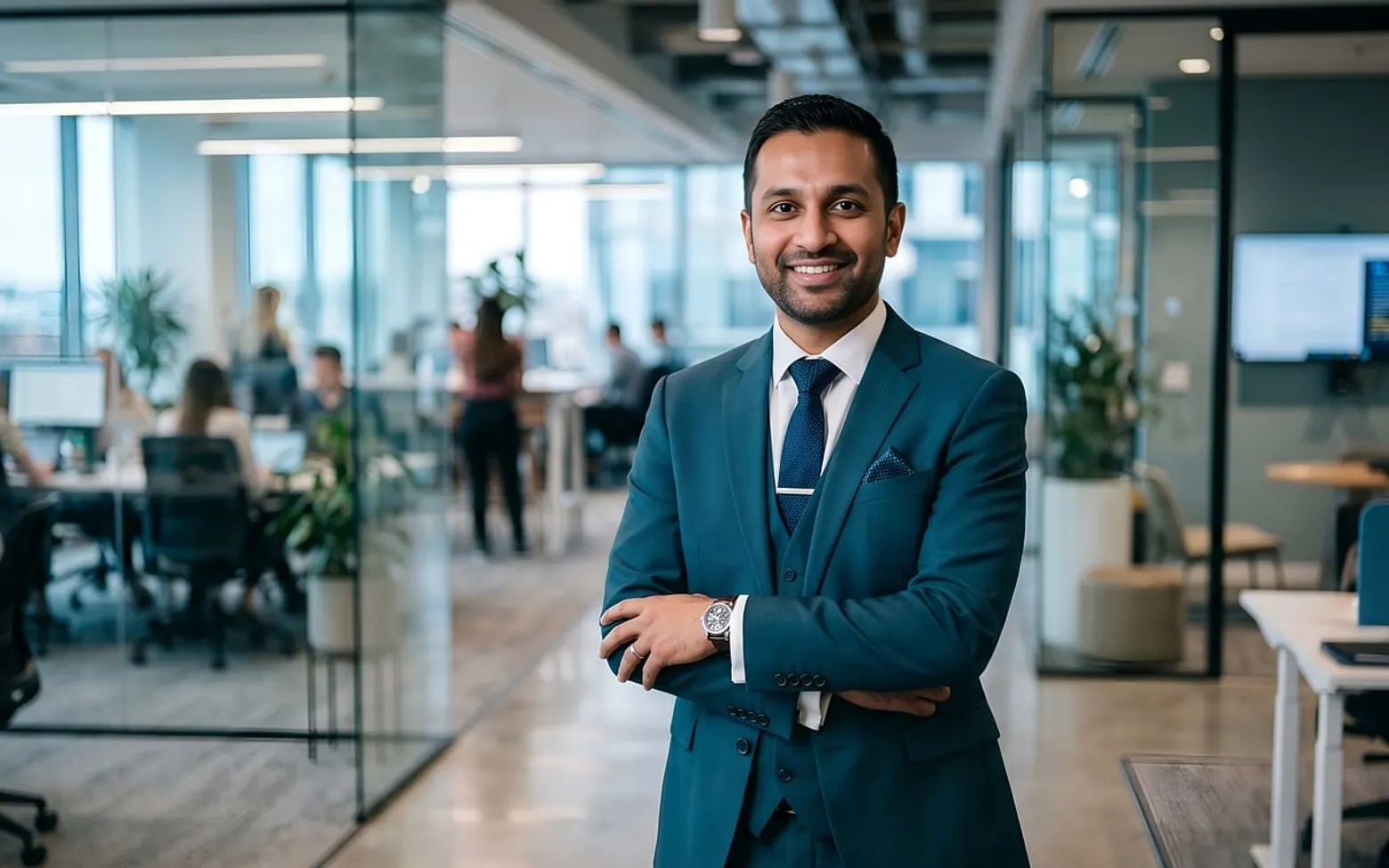
A profile photo often makes the first impression before any email or call. Recruiters glance at it on a professional network, clients see it on a proposal, conference attendees spot it in a speaker list. Getting a good one has traditionally meant booking a photographer, choosing outfits and setting aside half a day. AI headshot generators offer a different route, and a growing number of professionals are taking it.
Speed that suits a busy calendar
Most generators follow a simple pattern: upload a set of ordinary photos, pick a few styles and receive a batch of polished portraits a short while later. There is no studio to travel to and no waiting for retouched files. That matters when an updated image is needed quickly, for a new role, a press mention or a speaker bio due tomorrow.
Several looks can also come from one session. A formal portrait for a company website, a slightly relaxed version for social profiles and a creative variation for a portfolio can all be generated without repeating the process.
A lower barrier to professional branding
Studio photography delivers excellent results, but fees, retouching and reshoots add up. For people early in their careers or running small businesses, that cost is not always practical. AI tools put a professional-looking image within reach of many more people, including:
- job seekers refreshing a CV or online profile;
- freelancers who want to look credible to new clients;
- founders launching a website on a tight budget;
- distributed teams that need consistent staff photos across several countries.
For companies, consistency is a significant benefit. Matching backgrounds, lighting and framing across a whole team is difficult when people work in different cities, and a generator can produce a unified set without coordinating dozens of separate shoots.
Realism has caught up
Early AI portraits often looked waxy or strangely smooth, which made people wary. The technology has improved considerably since then. Better tools can now render accurate skin texture, natural lighting and believable proportions, so the result looks like a well-lit photograph of the actual person rather than an idealized stranger. Results are generally best when the source photos show the face from several angles in decent light.
That last point matters: a headshot should still look like the person a client or colleague will meet in real life.
Choosing a tool with care
Quality varies between services, so a few checks are worthwhile:
- Likeness: do the samples look like real, recognizable people?
- Styles: are there options for formal, casual and creative settings?
- Privacy: how are uploaded photos stored, used and deleted?
- Output: does a session produce several usable images, not just one?
- Usage rights: can the images be used commercially, for example on a company site?
Some employers and events have their own rules about profile images, so it is sensible to check those as well.
Why the trend keeps growing
AI headshot generators solve a common, practical problem: the need for a credible, current image without much time or expense. Traditional photography still has its place, especially for editorial work or dedicated branding shoots. For everyday professional profiles, though, a well-made generated headshot is becoming a sensible default, and it can be refreshed whenever a career moves into a new phase.
Fresh in every section
Good places to start
 InsurancePet Insurance Waiting Periods: How They Work Before Cover Starts4 min
 GardeningWhy Are My Solar Lights Not Working? Simple Checks and Fixes4 min
 Real estateImpact of Singapore’s Real Estate Boom on Local Communities2 min
 Social MediaThe Cost of Ignoring SEO: What Montreal Businesses Risk Losing2 min
Questions? Write to us.
Suggestions help us plan.